


Exploring the Danube Delta: Europe’s Last Great Wetland
A Wild Corner of Europe, Waiting to Be Discovered
Tucked away in south-eastern Romania, where the Danube River meets the Black Sea, lies one of the most breath-taking natural wonders in Europe — the Danube Delta Biosphere Reserve. Formed over thousands of years and still growing today, the Delta is a UNESCO World Heritage Site and one of the richest ecosystems on the planet. With over 5,500 species of plants and animals, the Delta is a haven for birdwatchers, wildlife lovers, and anyone seeking an authentic connection with unspoiled nature.
Let’s take a closer look at the landscapes, flora, and fauna that make this place unlike anywhere else in the world.
A Living Land in Constant Transformation
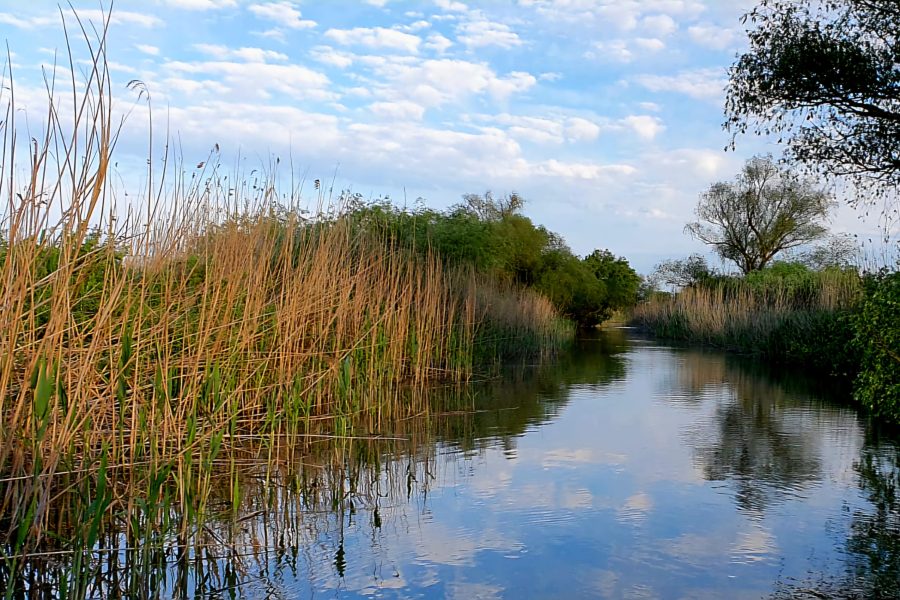
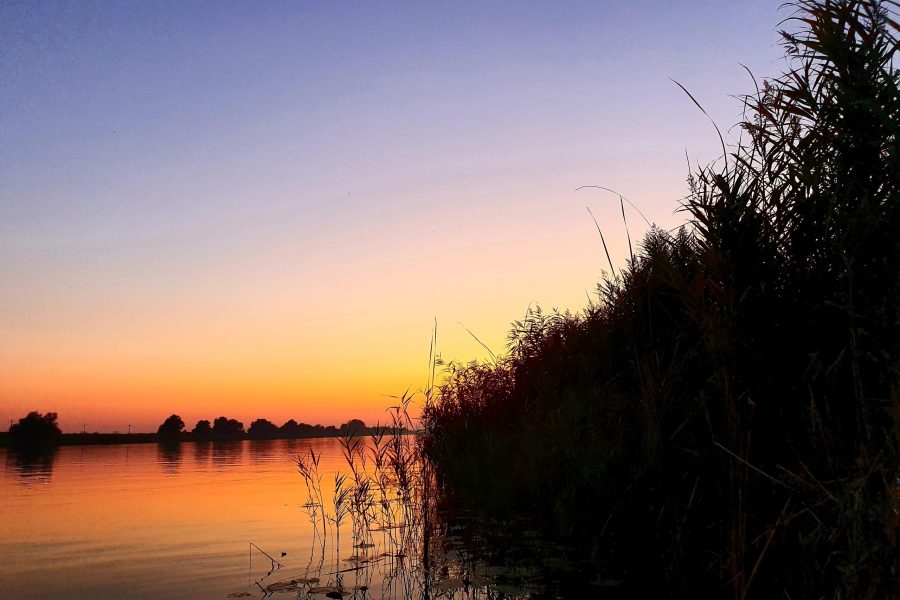
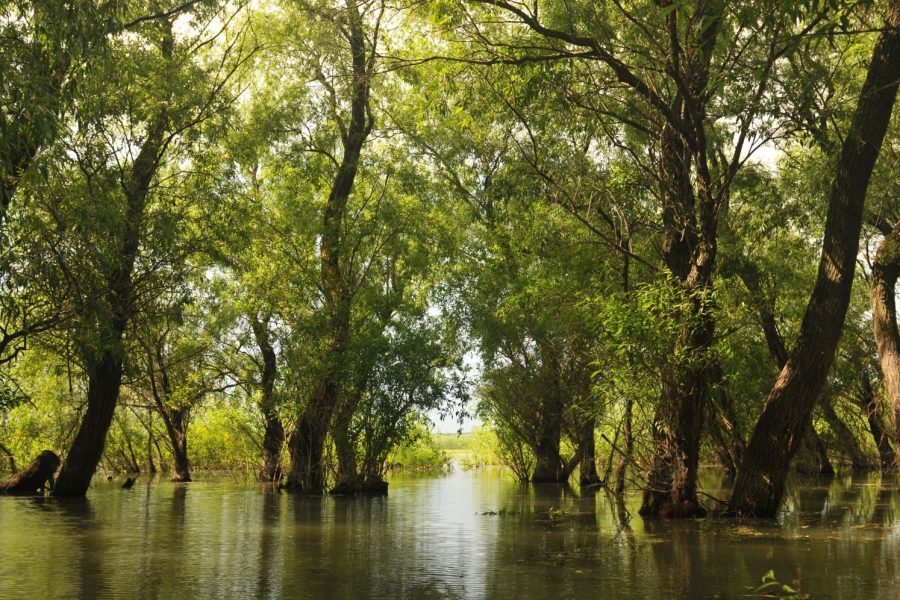
Formed over more than 10,000 years, the Danube Delta is the youngest land in Romania — and arguably the best-preserved delta in Europe. A true labyrinth of winding canals, hidden lakes, and reed-covered marshes, it covers over 4,000 km² of stunning wetland landscape.
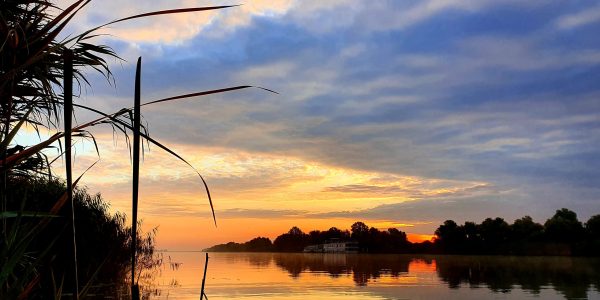
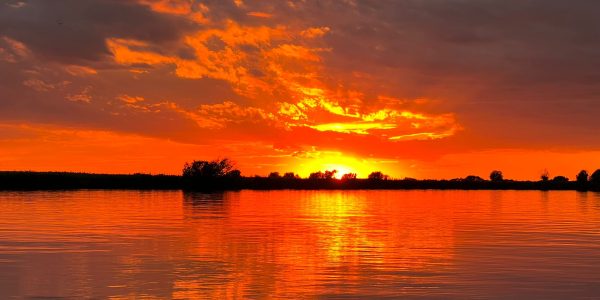
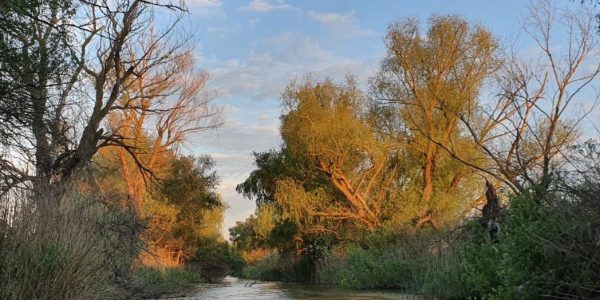
This is also home to the largest continuous reed bed in the world, offering not only shelter to thousands of species but playing a key role in global ecological balance.
Whether by boat or on foot, exploring the Delta feels like stepping into a world where nature still reigns — wild, vibrant, and untouched.
Flora: A Water-Bound Jungle of Reeds and Rare Plants
The Danube Delta is home to nearly 1,800 species of plants, most of them perfectly adapted to its wet, aquatic environment.
- Reeds, cattails, sedges, and bulrushes dominate the landscape, covering more than three-quarters of the Delta.
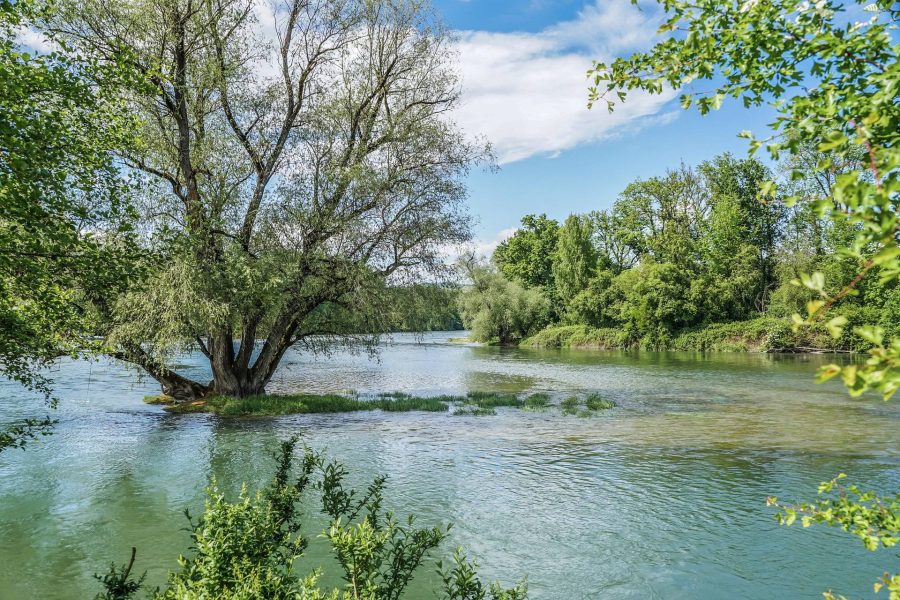
- Along elevated riverbanks and forested islands, you’ll find white and black poplars, sea buckthorn, willows, and fragrant blackberry shrubs.
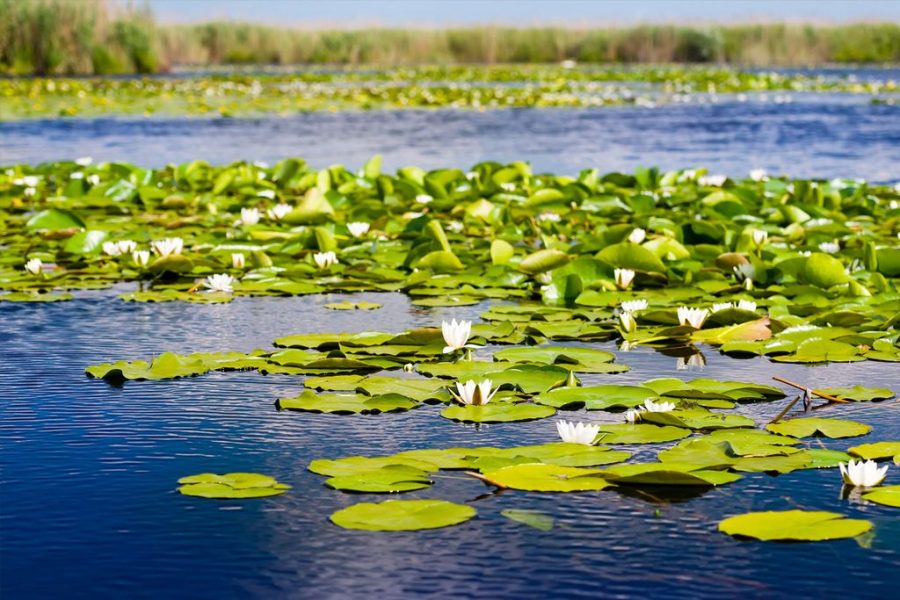
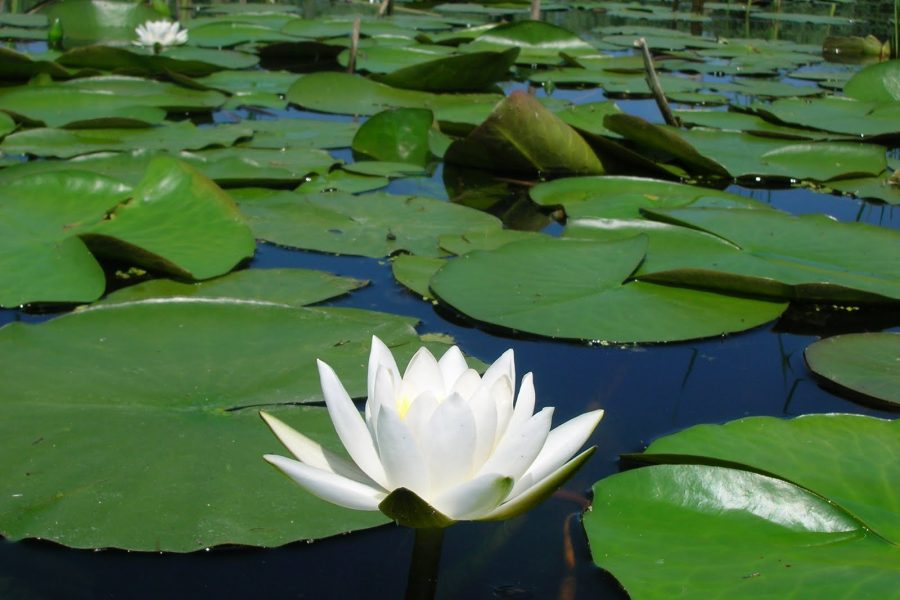
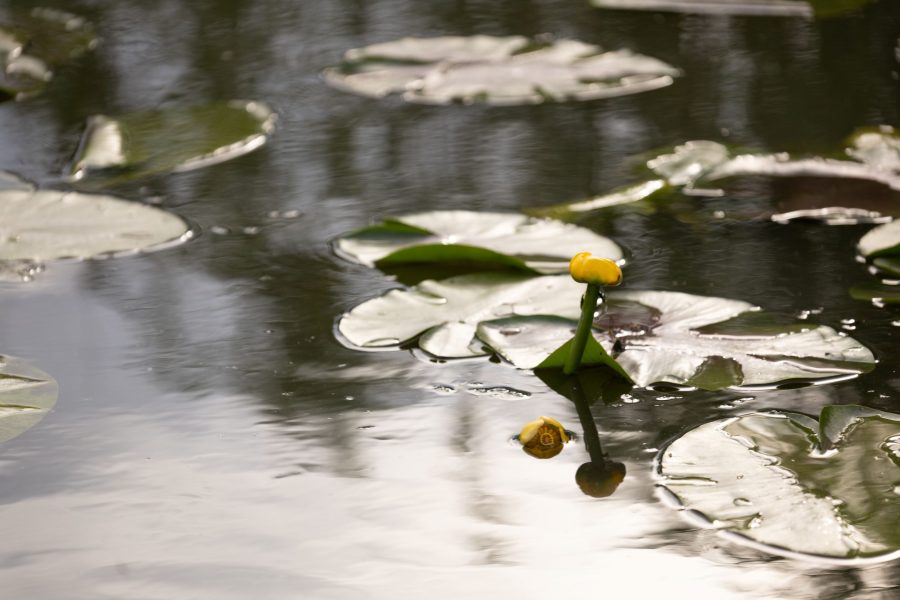
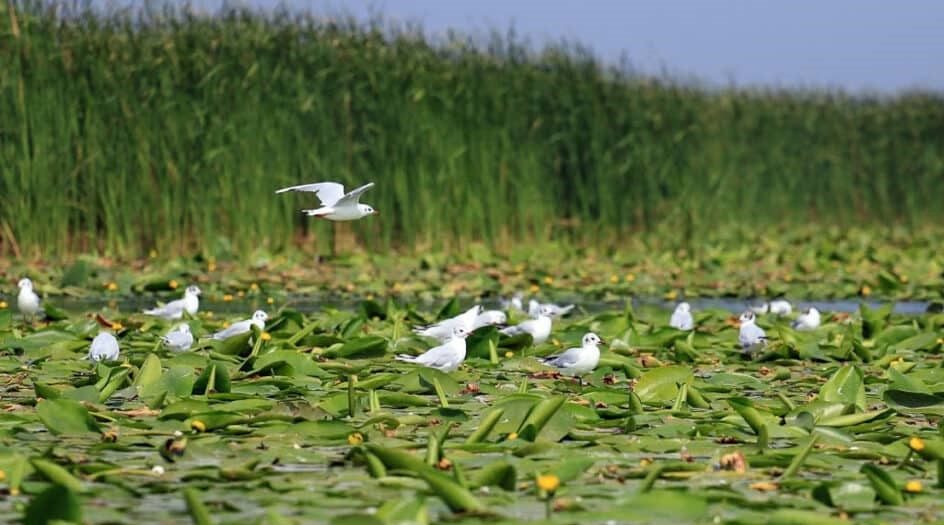
- In summer, lakes and canals burst into colour with white and yellow water lilies — a photographer’s dream.
- Rare finds include two carnivorous species — the waterwheel plant and bladderwort — fascinating examples of plant adaptation in oxygen-poor environments.
Letea Forest: Europe’s Most Northern Subtropical Forest
Letea Forest is one of the Delta’s hidden gems — a nature reserve like no other in Europe.
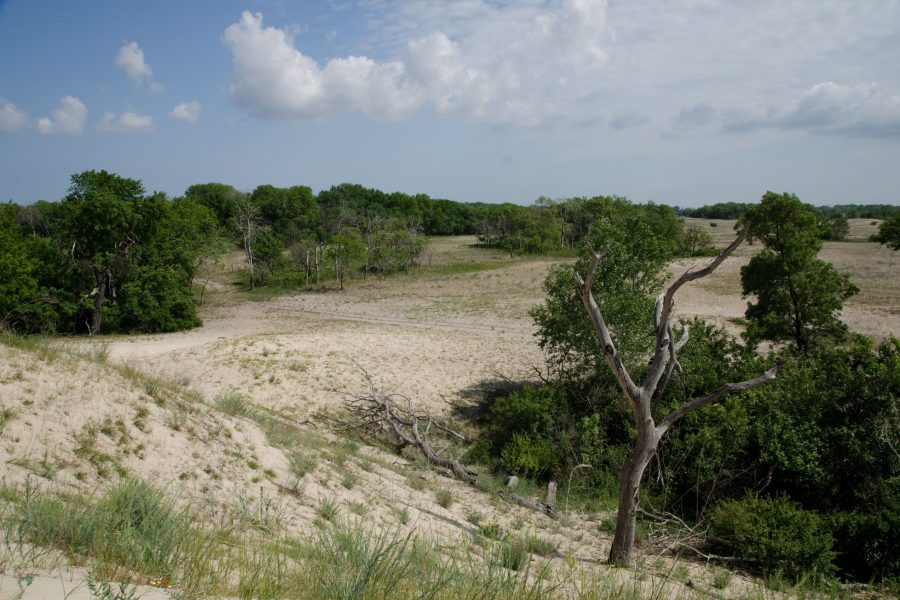
Set among ancient sand dunes, this unique ecosystem is home to:
- Towering oak trees, some over 300 years old
- Orchids, climbing vines, and exotic species rarely seen this far north
- A magical, almost fairy-tale-like scenery where forest meets desert
It’s not just a walk in the woods — it’s a step into an ecosystem shaped by history, geography, and time.
Fauna: One of the Most Diverse Animal Habitats in Europe
Amphibians – The Night-time Singers
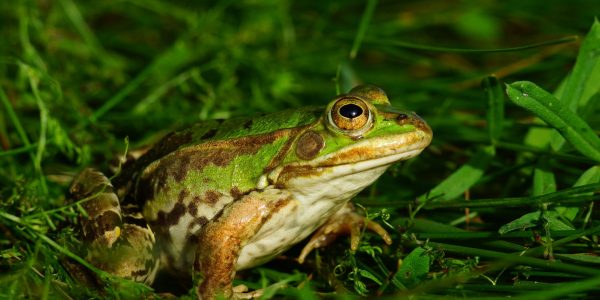
Ten species of frogs and toads turn the quiet Delta nights into a chorus, including the marsh frog, European tree frog, and green toad.
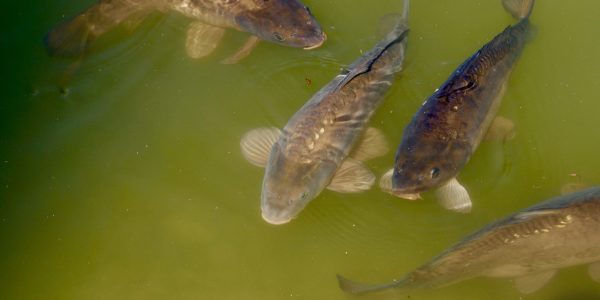
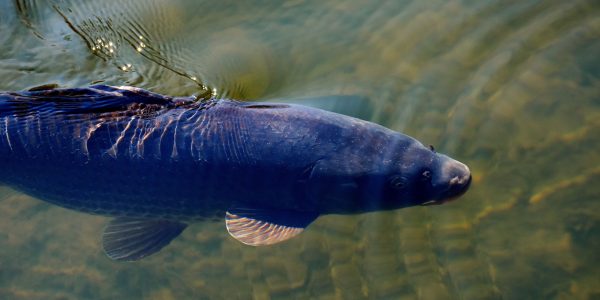
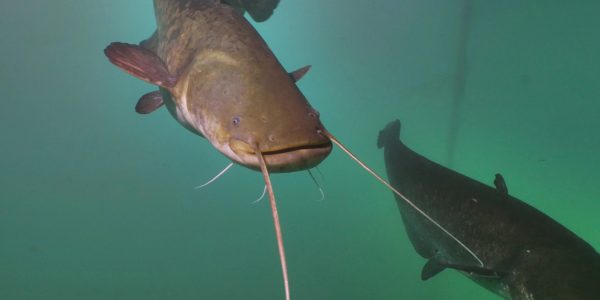
Fish – Ancient Swimmers Beneath the Surface
With over 130 fish species, the Delta is a paradise for anglers and scientists alike. Expect to encounter:
- Catfish, pike, zander, and carp
- Saltwater visitors like turbot and mackerel
- And even prehistoric sturgeons — some of the oldest fish on Earth
Mammals – Hidden but Vital
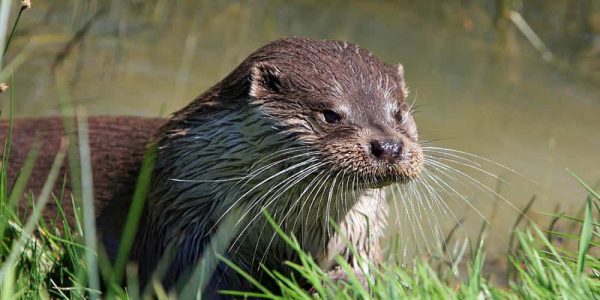
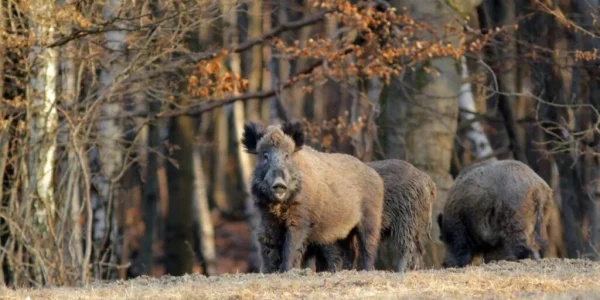
More discreet but just as important, 54 species of mammals roam the Delta’s forests and marshes: Otters, wildcats, boars, beavers, and the elusive European mink.

Birds – The Delta’s Crown Jewel
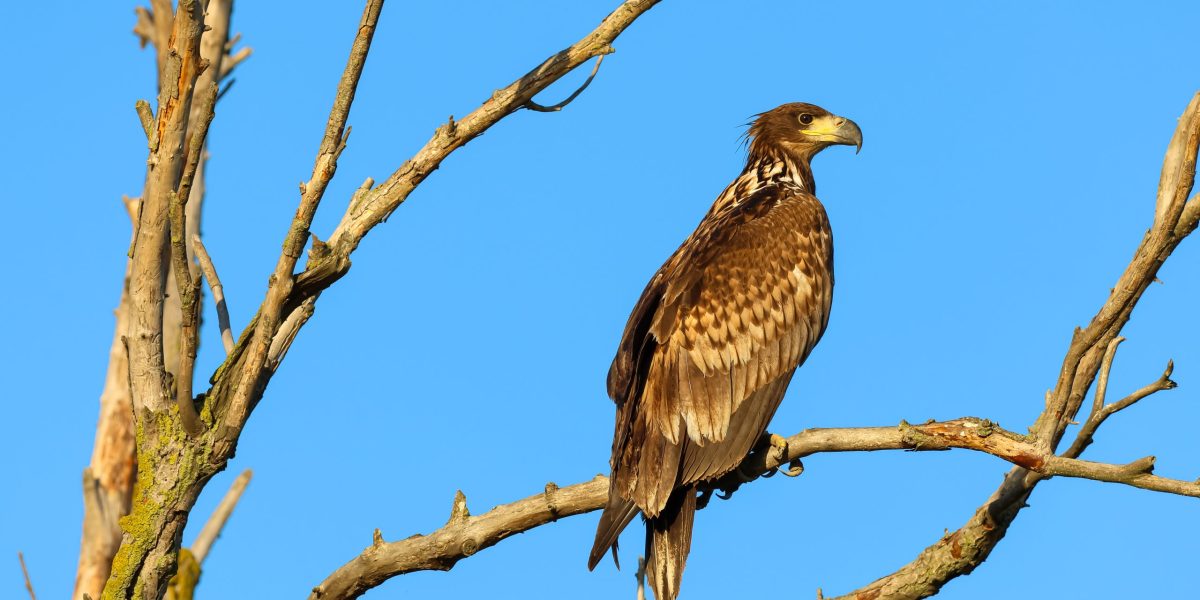
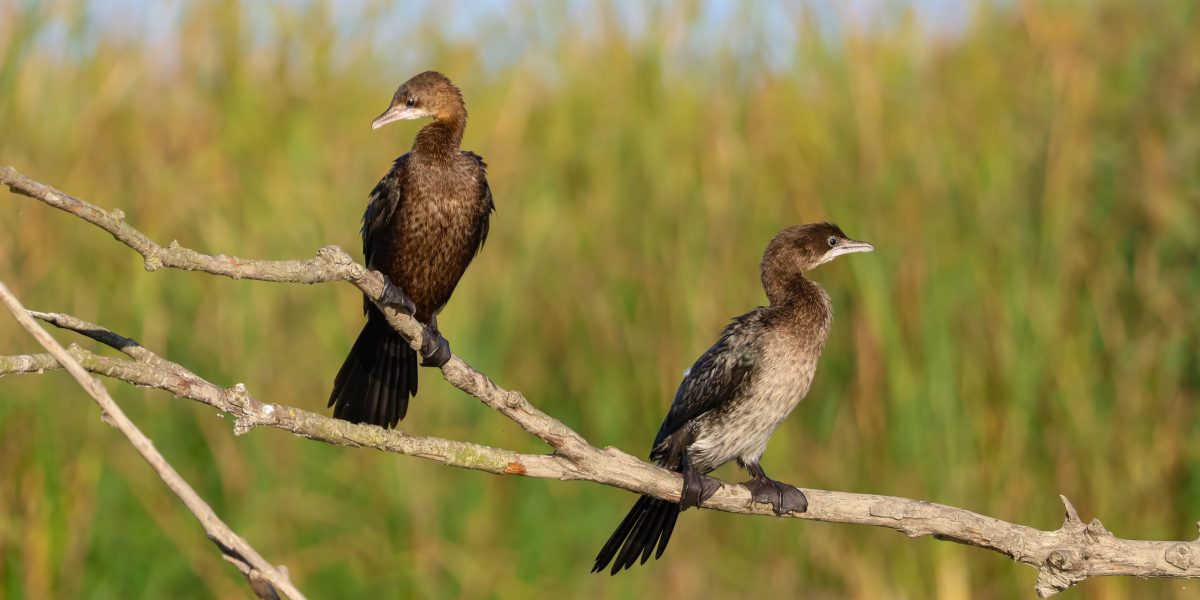
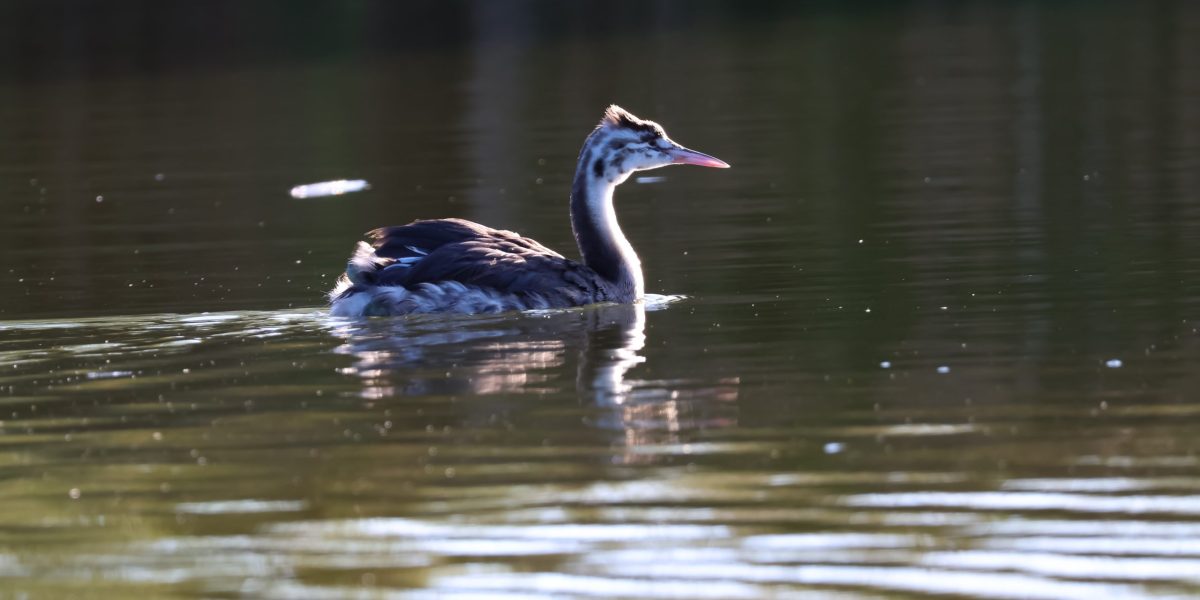
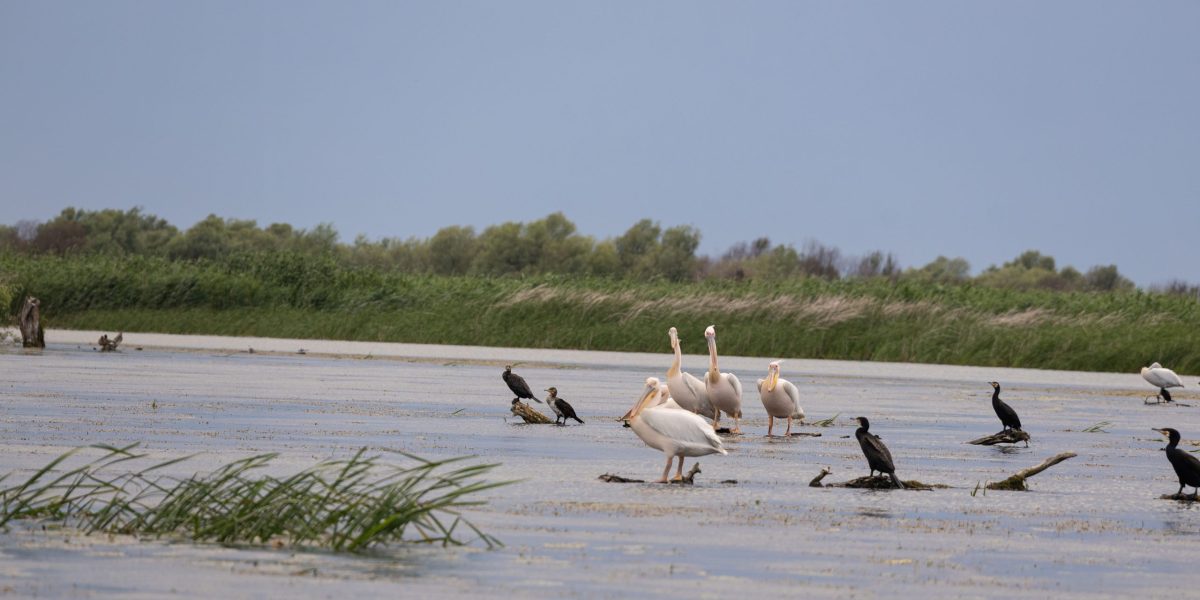
Home to over 330 bird species, the Danube Delta is one of Europe’s key migration hubs. Flocks of:
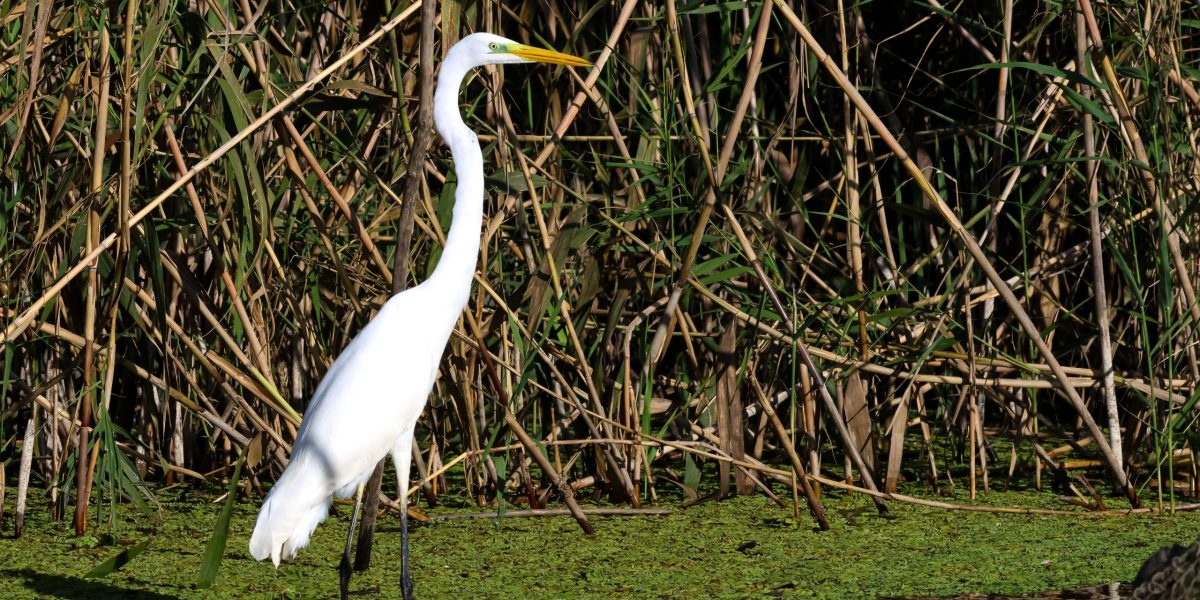
- Herons, egrets, spoonbills, cormorants, terns, ducks, and geese
- As well as rarities like the glossy ibis and red-breasted goose
Pelicans: The Emblem of the Danube Delta
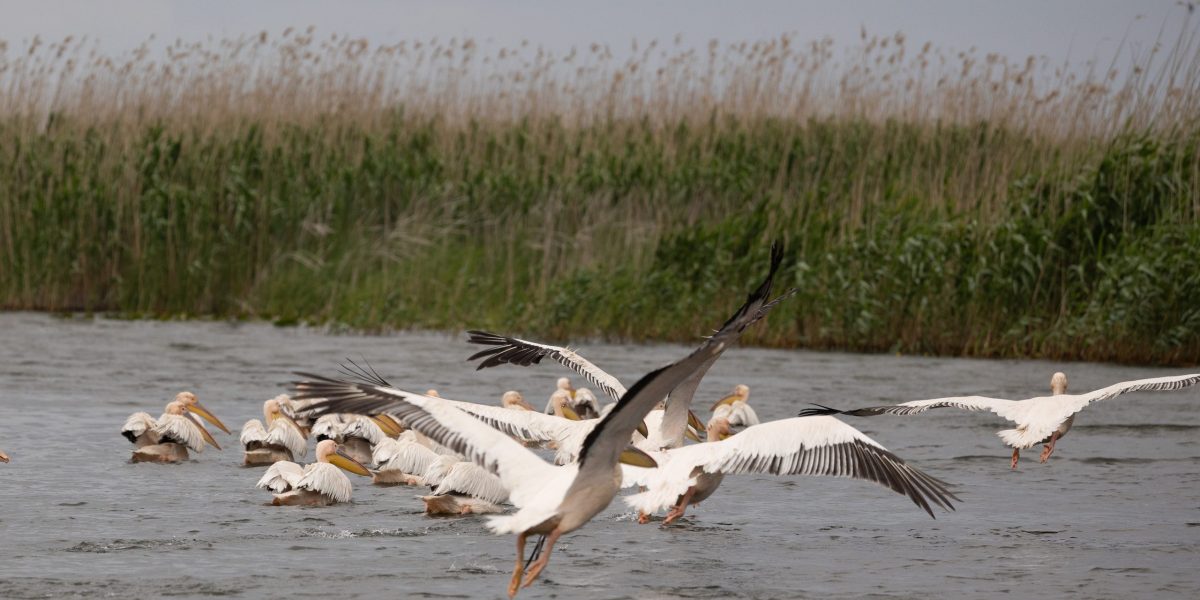
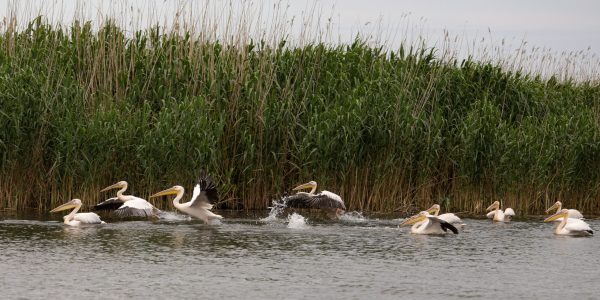
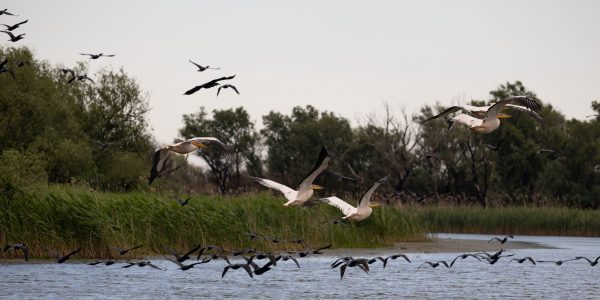
No creature represents the Delta more than the pelican. Two species can be seen here:
- Great white pelican – Elegant and social, with colonies reaching 18,000 individuals
- Dalmatian pelican – Larger and rarer, with a wingspan of over 3 meters, and just 500 nesting pairs
Their coordinated group fishing techniques and majestic flight formations offer an unforgettable natural display.
When to Visit the Danube Delta
To get the most out of your journey, timing matters. Here’s what we recommend:
Late April – Mid-June
- Migratory birds return
- Landscapes bloom in lush greens
- Water lilies begin to flower
Peaceful, uncrowded experience due to fishing bans
Mid-August – Late October
- Milder temperatures and golden light
- Almost no mosquitoes
- Ideal for quiet exploration and photography
Avoid Mid-June to August 1
- Peak heat (up to 40°C / 104°F)
- Higher insect activity
Final Thought
The Danube Delta isn’t just a place to visit — it’s a living world to witness.
A rare natural sanctuary that invites you to slow down, observe, and reconnect with what truly matters.


